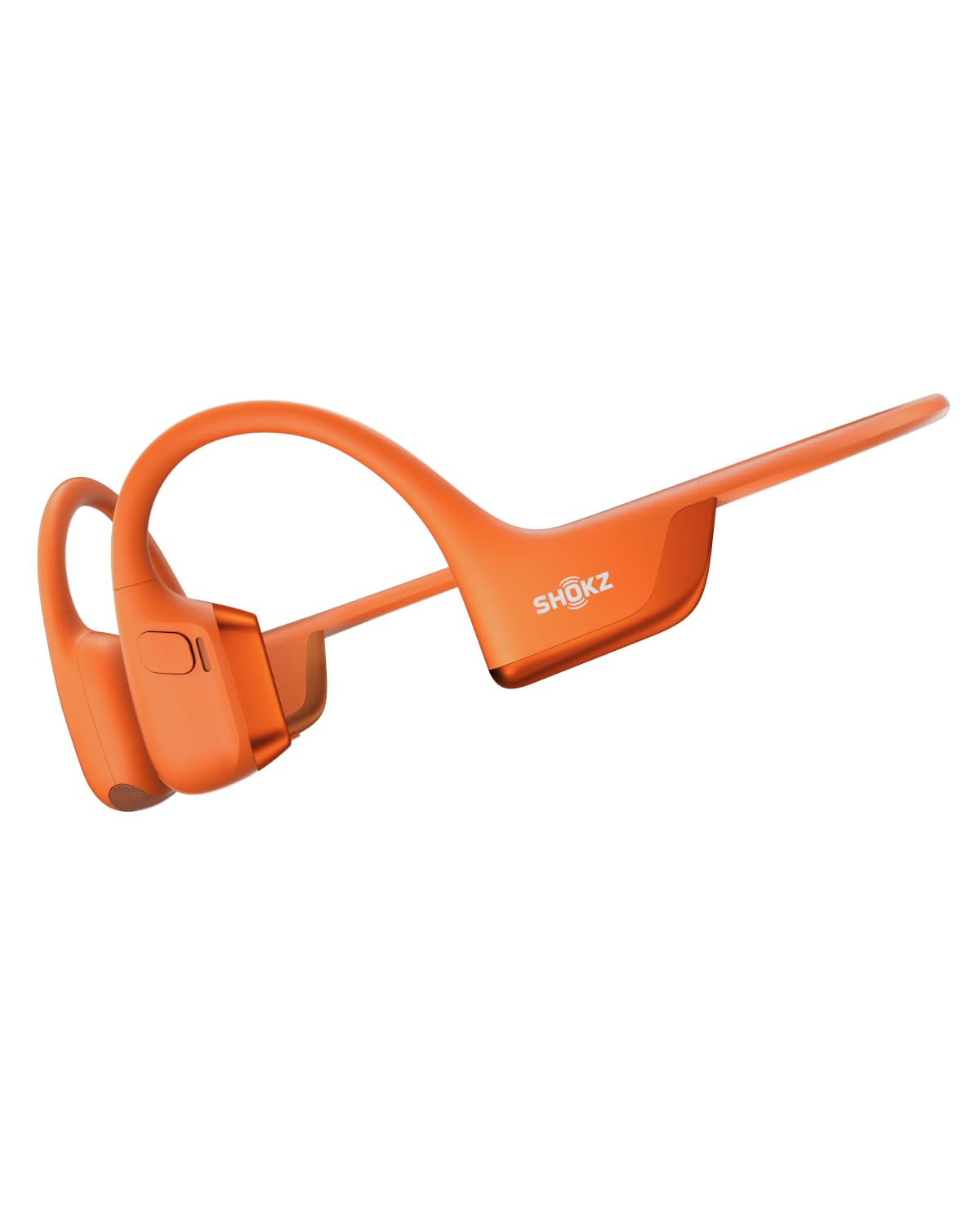
The SHOKZ OpenRun Pro 2 pairs bone and air conduction drivers with an open-ear frame, aiming to bring fuller workout audio without sealing off your ears.
This shokz review openrun pro 2 looks at its fit, sound options, calls, and the tradeoffs to consider for running and training.
OpenRun Pro 2 Review Summary
The quick verdict
9,000+ ratings
Read Amazon ReviewsSHOKZ OpenRun Pro 2
A feature-rich open-ear headset for runners and workout listeners who want to hear audio while keeping their ears uncovered.
- Dual drivers combine bone conduction for clear highs with air conduction for deeper bass.
- Open-ear Bluetooth design leaves the ear canals uncovered while listening.
- Up to 12 hours of audio playback is specified for music and other listening.
- A unibody frame incorporates Ni-Ti alloy memory wire and ergonomic ear hooks for a secure fit.

Pros
- Combines two driver types to provide a fuller range of sound than a bone-conduction-only approach.
- Open-ear design can help keep environmental sound accessible during outdoor exercise.
Consider before buying
- The open-ear fit cannot offer the same sound isolation as sealed earbuds or headphones.
- The wraparound frame and ear hooks are a more visible, structured fit than compact in-ear designs; check that style against glasses, hats, or other gear you use.
Read the full review summary
The OpenRun Pro 2’s defining feature is its dual-driver approach: bone conduction handles clear highs while air conduction adds deeper bass.
An open-ear fit, up to 12 hours of playback, app-based EQ modes, and wind-resistant microphones make it a more feature-rich choice for workouts than a basic sport headset.
It is best suited to runners, cyclists, and gym users who prefer a lightweight wraparound design and want to remain aware of their surroundings.
The open-ear format does not provide the isolation of sealed headphones, and buyers who need strong noise blocking or a compact case-free form should weigh that fit carefully.
The buying factors
OpenRun Pro 2 Scorecard
Editorial scores reflect listed features and buyer fit; they are not laboratory measurements or customer ratings.
Open-ear awareness
The frame leaves the ears uncovered, a useful design for outdoor workouts where hearing the environment matters.
Audio versatility
Bone and air conduction drivers, plus dedicated EQ modes, offer multiple ways to shape workout listening.
Workout stability
A unibody frame, memory wire, and ergonomic ear hooks are designed to stay in place during movement.
Battery endurance
Up to 12 hours of playback supports extended training sessions and regular use between charges.
Call features
Two wind-resistant microphones and AI noise reduction are designed to help keep calls clearer outdoors.
Listening privacy
The design aims to limit audio leakage, but an open-ear headset does not seal sound in the way in-ear headphones do.
Key Features and Specifications of OpenRun Pro 2
- Dual drivers combine bone conduction for clear highs with air conduction for deeper bass.
- Open-ear Bluetooth design leaves the ear canals uncovered while listening.
- Up to 12 hours of audio playback is specified for music and other listening.
- A unibody frame incorporates Ni-Ti alloy memory wire and ergonomic ear hooks for a secure fit.
- Dedicated app EQ modes include Classic Mode for bone conduction sound and Volume Boost Mode for noisy environments.
- Two wind-resistant microphones and an AI noise reduction algorithm are designed for clearer calls, including in wind up to 15 miles per hour.
Pros and Cons of OpenRun Pro 2
Pros
- Combines two driver types to provide a fuller range of sound than a bone-conduction-only approach.
- Open-ear design can help keep environmental sound accessible during outdoor exercise.
- Up to 12 hours of playback suits long sessions and frequent use.
- A shaped frame with memory wire and ear hooks is built around movement and stability.
- App EQ modes give listeners some control over how audio is presented.
Consider before buying
- The open-ear fit cannot offer the same sound isolation as sealed earbuds or headphones.
- The wraparound frame and ear hooks are a more visible, structured fit than compact in-ear designs; check that style against glasses, hats, or other gear you use.
- The description does not specify charging connector or water-resistance rating, so check those details if they are central to your routine.
Who Should Buy OpenRun Pro 2?
Good fit
Consider the OpenRun Pro 2 if you run, cycle, or train outdoors and want a headset that leaves your ears uncovered.
Its secure-fit design and dual-driver audio are aimed at listeners who want workout music without the sealed feel of conventional earbuds.
The 12-hour maximum playback and EQ choices also make it appealing if you use headphones across several sessions or want to tailor sound for different settings.
The wind-resistant mic design is a useful addition for taking calls on the move, though the open format means nearby noise remains part of the listening experience.
Who should skip it
Choose another style if your priority is blocking surrounding sound, listening privately in a quiet shared space, or wearing something that sits entirely inside or around the ear without a rear wraparound frame.
Before buying for a specific training environment, confirm that its fit, charging setup, and water-resistance details suit your routine; those needs can matter more than its audio features.
How the OpenRun Pro 2 Fits Workout Listening
Dual conduction changes the audio balance
The OpenRun Pro 2 combines bone conduction for clear highs with air conduction for deeper bass. That gives it a broader sound approach than a single-method design, while Classic Mode lets users choose a bone-conduction presentation.
Volume Boost Mode offers another option when the environment is noisy, although it does not turn an open-ear headset into an isolating one.
A frame built around movement
The unibody construction, Ni-Ti alloy memory wire, and ergonomic ear hooks are intended to help the headset stay stable during gym sessions or cycling.
The advantage is a fit shaped for activity rather than loose earbuds; the practical question is whether the wraparound frame feels comfortable with your own headwear and gear.
Battery and call features for longer sessions
Up to 12 hours of playback gives the headset a useful endurance target for long workouts or repeated use.
Its dual wind-resistant microphones and noise-reduction processing are intended to help with calls, with the description specifying wind handling up to 15 miles per hour.
Treat that as a design capability, not a guarantee that every call will sound clear in every outdoor setting.
Open-ear listening requires the right setting
Keeping the ears uncovered can be useful when environmental awareness is part of a run or ride. The compromise is limited isolation: outside sound can compete with audio, and the listening experience will depend on surroundings and fit.
Its design also aims to keep sound leakage low, but buyers who need discretion should consider their setting before relying on an open-ear headset.
Alternatives to OpenRun Pro 2
Water-resistant workout alternative
27,000+ ratings
Read Amazon ReviewsSHOKZ OpenRun
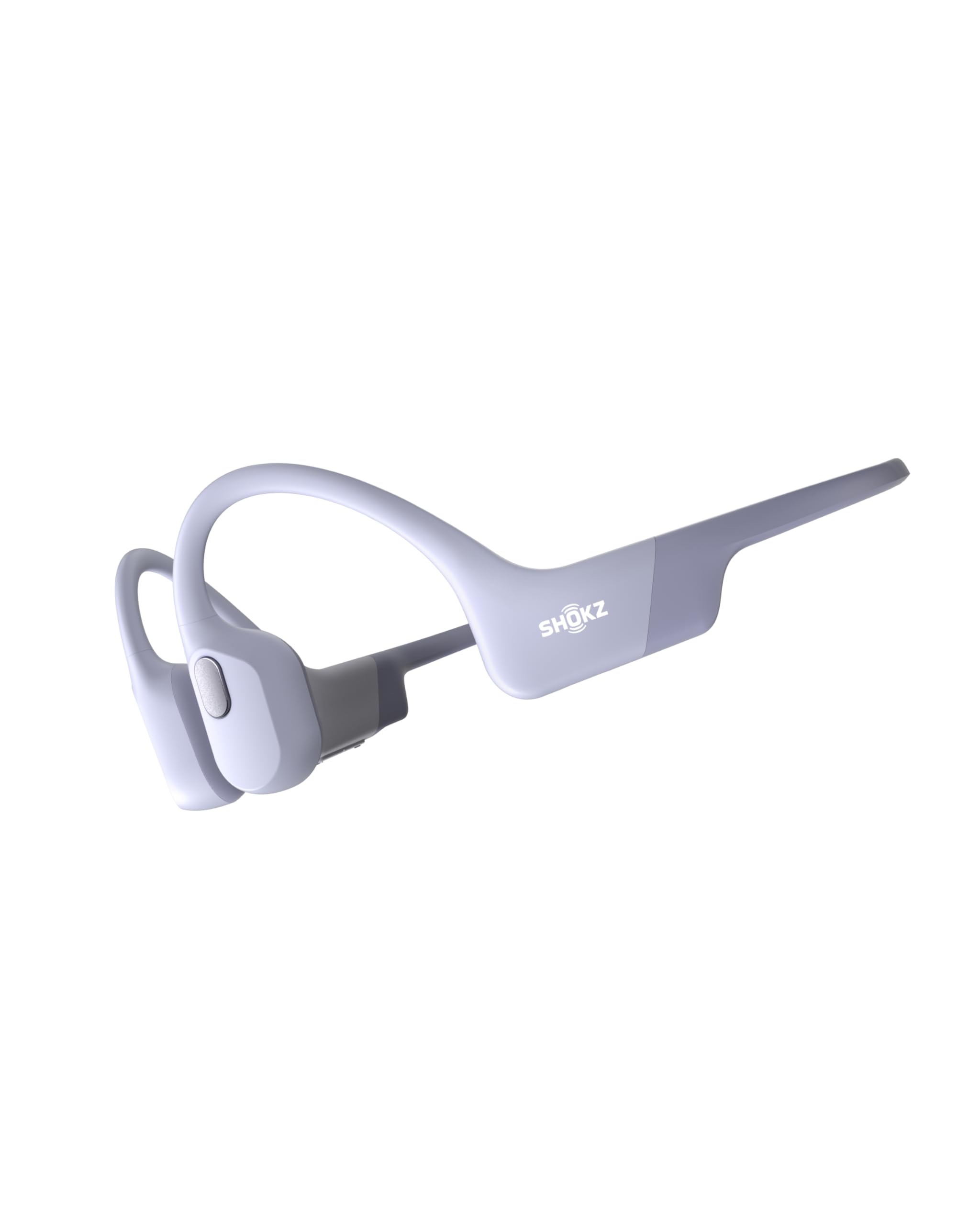
Choose the OpenRun if its bone-conduction-only audio, shorter stated battery life, and quick-charge feature fit your routine, especially if the listed IP67 rating matters to you.
The Pro 2 is the stronger fit if you want the dual-driver approach and longer maximum playback.
- The OpenRun uses bone conduction, offers 8 hours of battery life, and includes a 10-minute quick charge for up to 1.5 hours of playback.
- Its description specifies IP67 water resistance and Bluetooth compatibility across common phones and computers.
- The OpenRun Pro 2 combines bone and air conduction drivers, offers up to 12 hours of playback, and includes app EQ modes and dual wind-resistant microphones.
Sweat-resistant alternative
2,000+ ratings
Read Amazon ReviewsJLab Flex Open Ear Earbuds
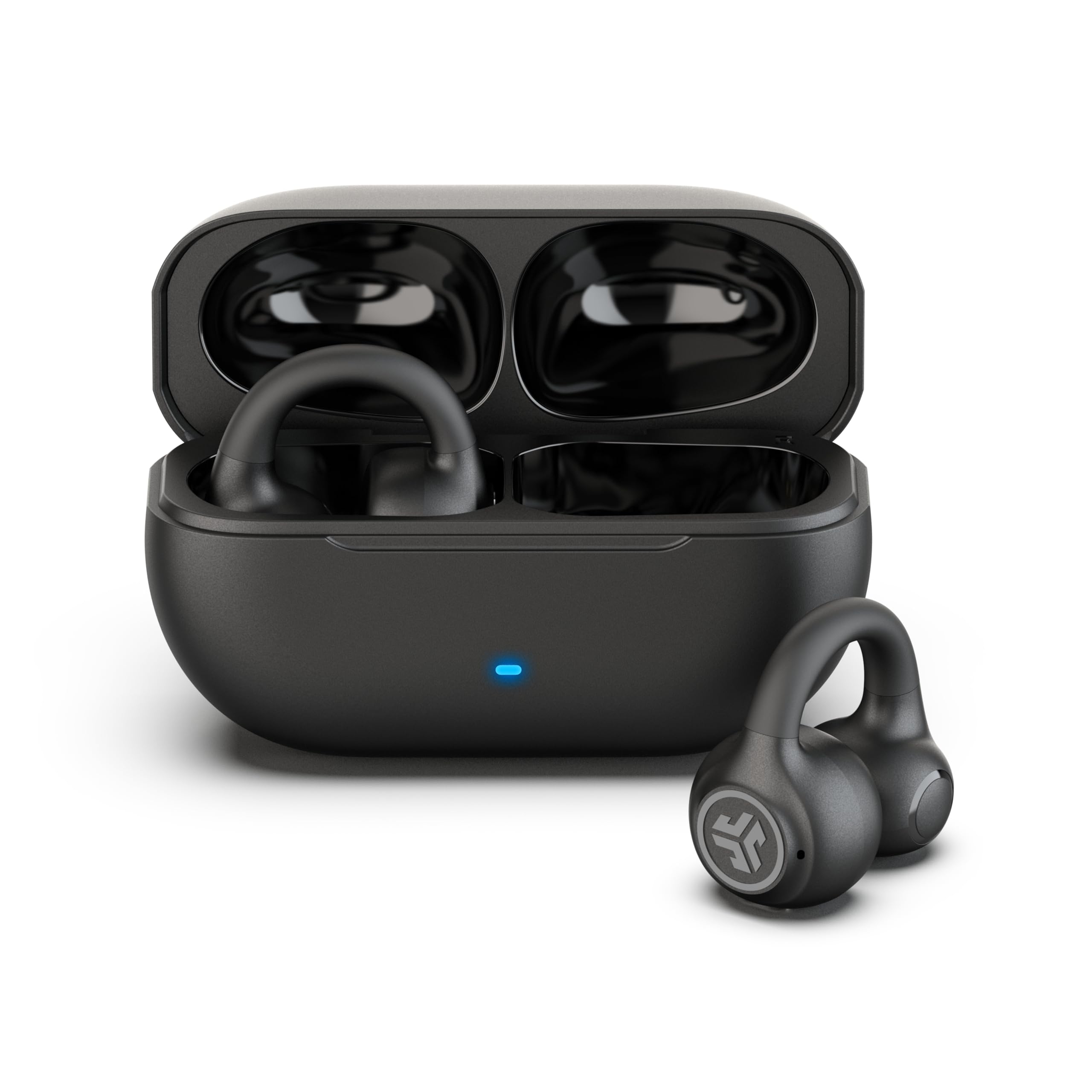
Consider the JLab Flex if you prefer a clip-on fit and want case-based extra listening time or multipoint connection.
The OpenRun Pro 2 better matches buyers who want a single wraparound sport frame and the specific combination of bone and air conduction.
- The JLab Flex uses clip-on earbuds that sit outside the ear canal, with 7-plus hours per earbud and 21-plus hours total with its charging case.
- It also lists IPX4 resistance, multipoint Bluetooth, and app EQ.
- The OpenRun Pro 2 uses a wraparound frame with memory wire and ear hooks, and supports up to 12 hours of playback without a charging case mentioned in its description.
Is OpenRun Pro 2 Worth It?
The SHOKZ OpenRun Pro 2 is worth considering for runners and workout listeners who value an uncovered-ear fit, a movement-oriented frame, and more than one way to shape audio.
Its dual drivers, app EQ, long stated playback, and wind-resistant call features make it a capable all-around sport headset on paper.
Buy it if that open, wraparound design suits your activity and you do not need strong isolation.
If fit compatibility, water resistance, or charging details will decide the purchase, confirm those points before choosing; its strongest advantages matter most when the design matches your routine.
Your review at a glance
9,000+ ratings
Read Amazon ReviewsSHOKZ OpenRun Pro 2
A feature-rich open-ear headset for runners and workout listeners who want to hear audio while keeping their ears uncovered.
- Dual drivers combine bone conduction for clear highs with air conduction for deeper bass.
- Open-ear Bluetooth design leaves the ear canals uncovered while listening.
- Up to 12 hours of audio playback is specified for music and other listening.
- A unibody frame incorporates Ni-Ti alloy memory wire and ergonomic ear hooks for a secure fit.